
What Texas Landowners Should Prepare Before Requesting an Offer
A practical preparation guide covering ownership records, taxes, access, surveys, utilities, and the facts buyers need to evaluate Texas land.
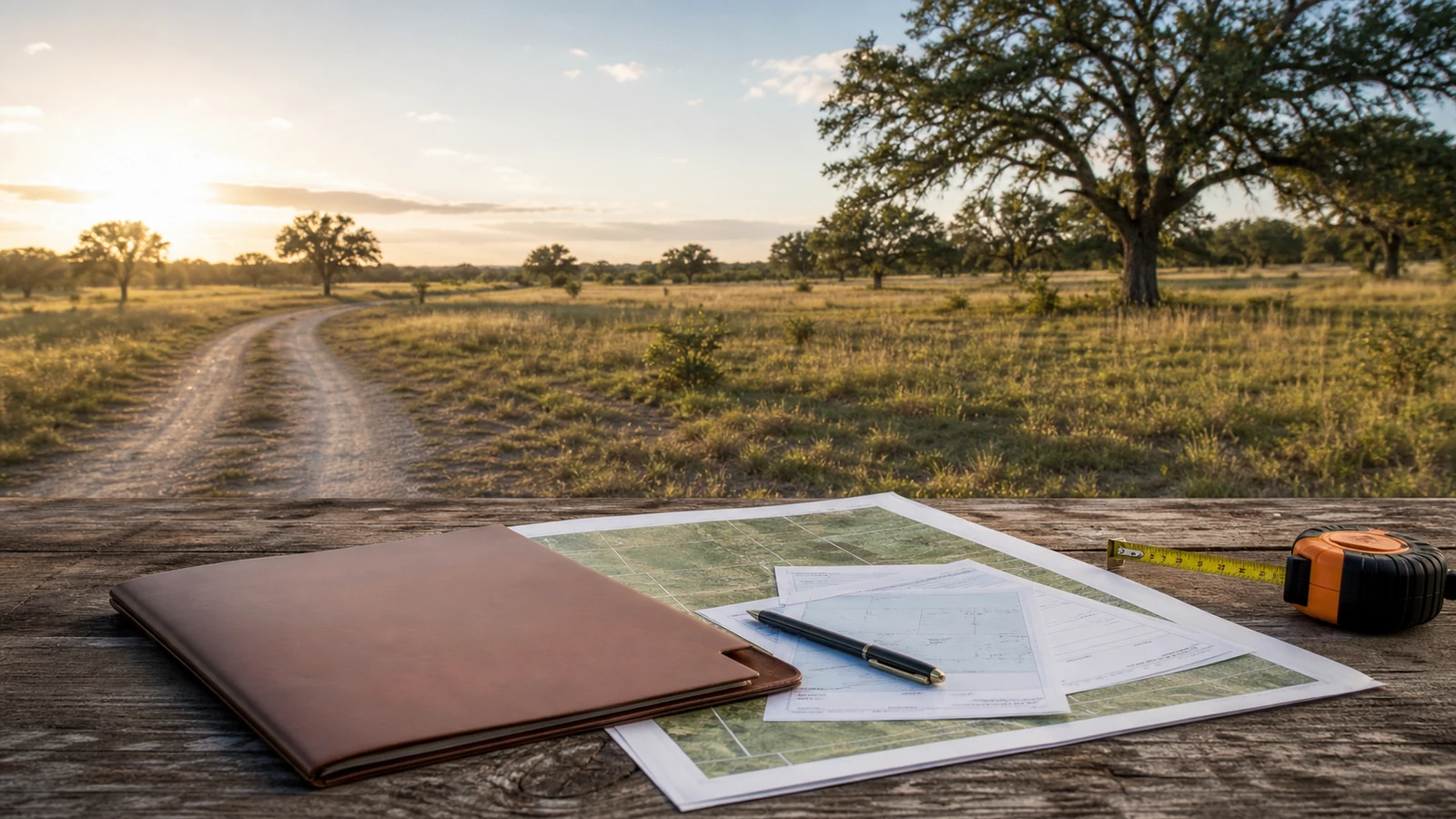
Selling vacant land starts with a different set of questions than selling a house. A land buyer cannot rely on bedrooms, recent renovations, or a home inspection to understand the property. The buyer needs to know what is being conveyed, who can sign, how the parcel is reached, and which facts still require verification.
Preparing those facts does not guarantee an offer or a closing. It does make the property easier to evaluate and can prevent avoidable delays after a buyer expresses interest. The goal is not to solve every issue before the first conversation. The goal is to identify what is known, what is documented, and what still needs professional review.
Start With Identity and Ownership
Use the county appraisal district and county clerk records to confirm that you are working with the correct parcel. Street addresses for vacant land can be incomplete, duplicated, or absent, so the tax account number and legal description are often more reliable identifiers.
Gather the most recent deed and note every person or entity shown as an owner. If an owner has died, if the property is held by a trust or company, or if several relatives share an interest, determine who has authority to sign before promising a closing date. A title company or Texas real-estate attorney can identify the documents required for the specific ownership history.
Build a Practical Property File
| Item | Why It Matters | Where to Start |
|---|---|---|
| Deed and legal description | Identifies the interest being offered for sale. | County clerk records or your closing file. |
| Tax account and recent statement | Helps confirm the parcel and any reported balance. | County appraisal district and tax office. |
| Survey or recorded plat | May show boundaries, easements, and dimensions. | Prior purchase records, surveyor, or county records. |
| Access information | Buyers need to understand legal and physical access. | Deed, plat, road frontage, and title review. |
| Utility information | Availability can affect use and development cost. | Local providers and utility districts. |
Describe Access Precisely
“There is a road nearby” is not the same as confirmed legal access. Record the road name, frontage, gate location, and any route currently used to reach the property. If access depends on an easement, provide the recorded document if available. If access is uncertain, say so clearly instead of assuming that visible tire tracks establish a legal right.
Separate Confirmed Facts From Possibilities
Sellers sometimes describe a parcel as buildable, unrestricted, or ready for utilities before those points have been verified. Those statements can create disputes and discourage careful buyers. A stronger presentation distinguishes documented facts from items a buyer must confirm.
- State the current use and visible condition of the land.
- Identify known deed restrictions, easements, or encroachments.
- Note whether water, sewer, electricity, or septic service has been confirmed.
- Disclose known flooding, drainage, dumping, or environmental concerns.
- Avoid promising a future use that depends on permits or third-party approval.
Use Photos That Help a Buyer Inspect the Parcel
Good land photography should answer questions, not simply make the property look attractive. Include road frontage, the likely entry point, representative interior views, neighboring development, visible utility lines, drainage features, and any material condition a buyer should see. Add a map or survey image only when its labels are readable and its source is clear.
Choose a Pricing Conversation, Not a Guess
Asking prices for nearby parcels can be useful context, but they are not proof of market value. Compare parcel size, access, utility availability, restrictions, flood exposure, location, and condition. A licensed broker, appraiser, or other qualified professional can provide a more informed opinion when the property is unusual or the stakes are high.
Before You Request an Offer
- Confirm the property ID, county, and legal owner names.
- Collect the deed, tax information, survey or plat, and any access documents.
- Write down known issues instead of waiting for a buyer to discover them.
- Organize clear photos and the best available parcel map.
- Decide which terms matter most: timing, price, certainty, or a particular sale structure.
Texas LandRush can begin with the information you have and help identify the next practical questions. To discuss a property, use the Sell Your Land form. For currently published inventory, visit Available Lands.
This article provides general educational information, not legal, tax, survey, appraisal, or title advice. Property records and requirements vary. Consult the appropriate licensed professionals for your transaction.